Universities often rely on public safety teams who serve in a unique space between staff members and law enforcement officers. These professionals may oversee access control, support emergency coordination, monitor campus activity, and help guide people during critical incidents. At the same time, many institutions do not maintain armed security or firearms on-site. That creates a serious operational challenge for colleges, churches, workplaces, and other organizations responsible for protecting people in fast-moving emergencies.
We work with organizations facing this exact reality through Active Shooter Response Solutions. The need for clear planning, practiced procedures, and strong University public safety training continues to grow because active threat incidents unfold quickly, and outside help may still be minutes away. Guidance from agencies such as CISA and Ready.gov reinforces the value of preparation before an emergency begins.
The Public Safety Middle Ground on Campus
Many university public safety teams operate in a middle ground. They hold responsibility for emergency preparedness and public safety, yet they do not function as sworn law enforcement agencies. Their roles often include communication, observation, incident reporting, building familiarity, and coordination with campus leadership. During a crisis, they may also help direct evacuations, support lockdown actions, and relay vital information to first responders.
This middle ground also exists in churches, private schools, nonprofit facilities, offices, and other workplaces. Leaders in these settings carry a duty to prepare their people and facilities for violent emergencies even when no armed personnel are present. A written plan alone does not create readiness. Staff members need practical instruction, realistic expectations, and a shared understanding of how to respond when seconds count.
Preparedness in Unarmed Environments
Unarmed environments require thoughtful preparation. Campuses and organizations without firearms onsite still need a structured response framework for active threats. They need staff who can recognize warning signs, communicate effectively under stress, move people toward safer actions, and support arriving law enforcement with accurate information.
We recommend building preparedness around training, awareness, and policy development. Organizations cannot rely solely on law enforcement response times during active threat situations. Local police play a vital role, yet an attack may begin and escalate before officers reach the scene. Internal readiness strengthens the first moments of response, which are often the most critical.
That is where focused University public safety training supports the mission. When campus teams understand response priorities and decision-making under pressure, they can help reduce confusion and improve coordinated action across the institution.
University Public Safety Training and Situational Awareness
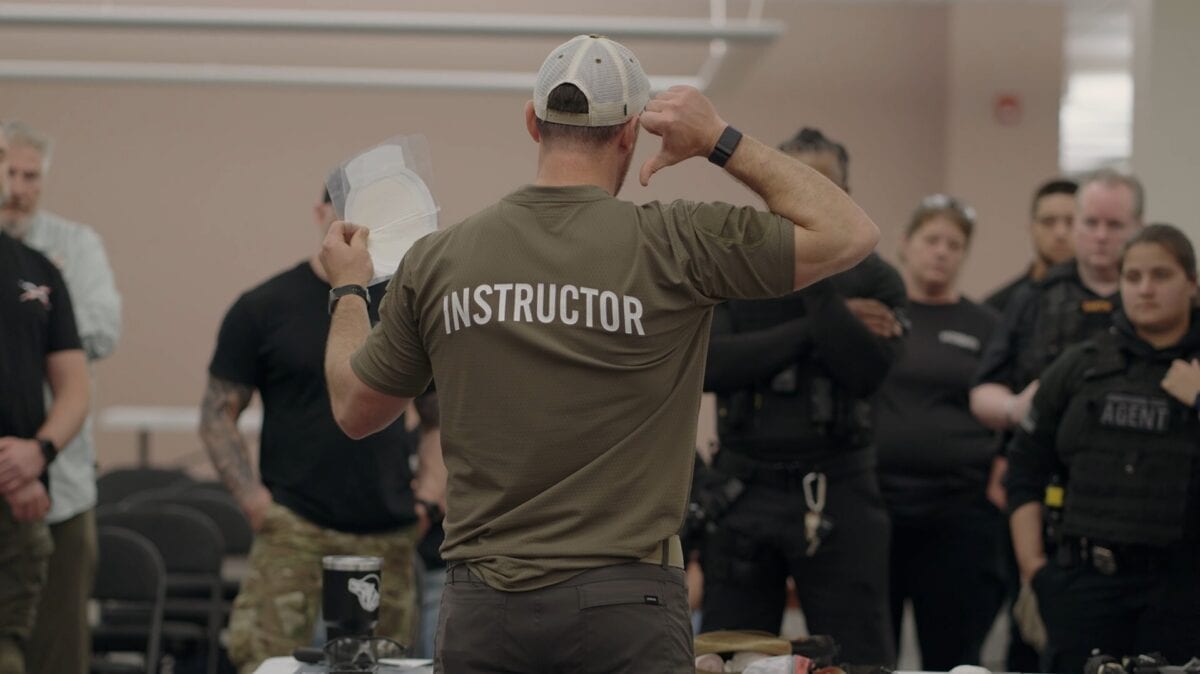
Situational awareness is a core part of emergency preparedness. Public safety personnel, administrators, faculty, and staff benefit from learning how to identify environmental concerns, behavioral indicators, communication gaps, and barriers to rapid response. A stronger awareness culture helps institutions prepare for incidents before they occur and respond with greater clarity when they do.
Our approach at Active Shooter Response Solutions centers on active shooter response education for organizations that need practical, mission-focused support. For universities, that means aligning campus realities with response planning that staff can understand and apply. Public safety teams often need guidance that reflects their actual responsibilities, especially when they are expected to lead people through emergencies without serving as armed officers.
Effective University public safety training also supports consistency across departments. A campus response is stronger when public safety personnel, front office staff, leadership teams, and building occupants share common language and a defined response structure.
Emergency Response Policies and Coordinated Action
Emergency response policies give institutions a foundation for action. Campuses, churches, and workplaces benefit from clear procedures covering notification methods, evacuation options, shelter actions, communication roles, and post-incident coordination. Policies should be understandable, accessible, and reinforced through training.
Public safety teams are often central to implementing these policies. They may manage initial alerts, communicate with leadership, direct movement, secure areas when possible, and provide updates to responding agencies. Their role demands preparation that is tailored to the responsibilities they actually hold on site.
We encourage organizations to review their current readiness posture and close the gaps through professional guidance. Our contact page is the place to start a conversation about strengthening internal preparedness for active threat response.
How We Support Safer Campuses
At Active Shooter Response Solutions, we understand the gray area where many university public safety teams operate. They are entrusted with public safety responsibilities, yet they often do so in unarmed environments where preparedness, staff training, situational awareness, and emergency response policies carry tremendous weight. We support organizations that want a proactive path forward grounded in practical active shooter response preparation.
Universities, churches, and workplaces all benefit from a plan that prepares people before a crisis develops. University public safety training helps institutions strengthen internal readiness, improve coordinated response, and support safer outcomes in high-stress situations. We encourage campus leaders and safety teams to work with Active Shooter Response Solutions to build a stronger emergency preparedness posture for the communities they serve.


Kyle Sproles
Kyle Sproles is a 13-year Army Special Forces (Green Beret) veteran, executive protection specialist, and the Founder of Active Shooter Response Solutions (ASR Solutions). He has trained military, law enforcement, and civilian teams across the world in survival tactics and active threat response, and currently serves as a Special Forces instructor preparing other Green Berets. His work spans campus vulnerability assessments, BECON™️ active threat response training, and emergency action planning for universities, faith-based institutions, businesses, and armed professionals nationwide. Everything Kyle does is driven by a single mission: to save as many lives as possible — For the Preservation of Life.