
College and university campuses operate like small cities. They include classrooms, residence halls, athletic venues, administrative offices, dining facilities, and open public spaces. Each setting creates different challenges during a crisis. When institutions rely on one evacuation approach for every threat, they create gaps in safety and decision-making. Strong University Emergency Action Plans account for those differences and prepare people to respond with clarity.
At Active Shooter Response Solutions, we help organizations build preparedness through practical response training and planning support grounded in real-world concerns. Campuses need emergency action plans that fit the environment, the population, and the type of threat that may occur.
Campus emergencies require flexible planning
Universities face a wide range of emergencies. Fire alarms, severe weather, medical incidents, violent intruders, and law enforcement activity each demand different protective actions. An evacuation may be appropriate in one event, while sheltering in place or securing a room may provide the safer option in another. Effective University Emergency Action Plans give campus leaders, employees, and students clear guidance for multiple scenarios.
The Ready.gov emergency preparedness guidance supports a hazard-specific approach to planning. The Occupational Safety and Health Administration also emphasizes structured emergency action procedures for workplaces, which can help inform campus planning efforts. Universities benefit when they align broad emergency planning principles with the actual conditions present across their facilities.
The limits of a single evacuation model
A single evacuation plan can create confusion when the emergency unfolds inside or near the path people are expected to use. A crowded lecture hall has different response needs than a science building with controlled access points. A residential building at night presents a different set of challenges than a student union during midday traffic. Clear planning should identify where occupants can exit, when they should remain secured in place, and how they can communicate during rapidly changing conditions.
When campus leadership uses one generic procedure across all facilities, they risk slowing response and increasing uncertainty. Staff members need role-specific direction. Students need plain language they can remember under stress. Visitors need visible instructions and organized support. Strong University Emergency Action Plans address occupancy, layout, entry points, event schedules, and the realistic flow of people through each area.
University Emergency Action Plans should reflect each building
Every campus building should be assessed through the lens of access, movement, communication, and occupant behavior. A lab building may require procedures that account for hazardous materials or secured rooms. An arena may require crowd management considerations. A residence hall may require after-hours alerting and floor-by-floor procedures. This type of planning supports coordinated action across the institution.
We encourage campuses to treat University Emergency Action Plans as living documents connected to training and awareness. Written procedures serve people best when they are shared, practiced, and understood. Planning should also be easy to access and straightforward to apply during high-pressure moments.
Training supports stronger campus response
Training gives life to emergency plans. People perform better when they understand their options, responsibilities, and immediate actions. At Active Shooter Response Solutions, we focus on active shooter response education designed to help organizations prepare for violent critical incidents. For colleges and universities, that preparation can strengthen institutional readiness and improve confidence across the campus community.
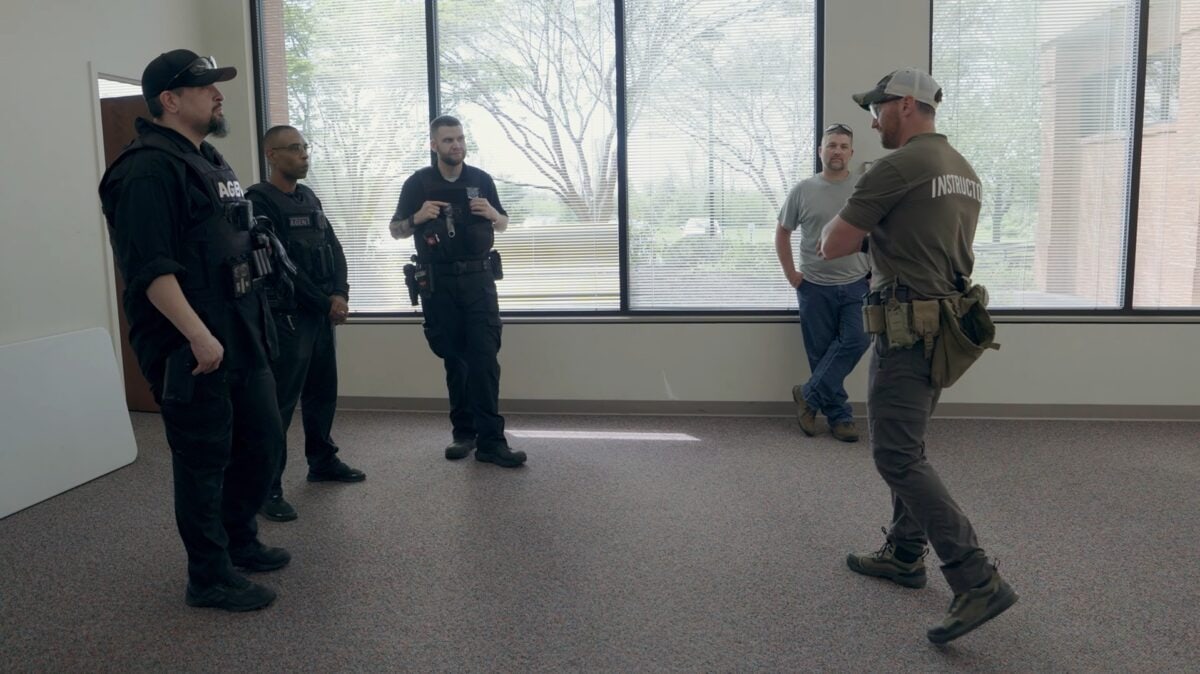
Preparedness works best when decision-makers and occupants share a common understanding of response principles. Faculty members, staff teams, campus leadership, and support personnel all benefit from clear instruction. Universities that invest in response education place their communities in a stronger position to act decisively when seconds count.
How we help institutions strengthen preparedness
We believe campuses deserve emergency planning and response support that reflects the realities of modern threats. A one-size-fits-all evacuation plan leaves exposure in places where tailored procedures are essential. Universities can strengthen safety by reviewing every facility, clarifying protective actions, and preparing their people through focused training.
Our team at Active Shooter Response Solutions serves organizations seeking practical active shooter preparedness resources and response guidance. We invite campus leaders to learn more through our contact page and start a conversation about strengthening their approach to University Emergency Action Plans. When plans match the environment and training reinforces the response, institutions are better equipped to protect their communities.


Kyle Sproles
Kyle Sproles is a 13-year Army Special Forces (Green Beret) veteran, executive protection specialist, and the Founder of Active Shooter Response Solutions (ASR Solutions). He has trained military, law enforcement, and civilian teams across the world in survival tactics and active threat response, and currently serves as a Special Forces instructor preparing other Green Berets. His work spans campus vulnerability assessments, BECON™️ active threat response training, and emergency action planning for universities, faith-based institutions, businesses, and armed professionals nationwide. Everything Kyle does is driven by a single mission: to save as many lives as possible — For the Preservation of Life.